Build vs Buy in 2026: When Custom Software Makes More Business Sens
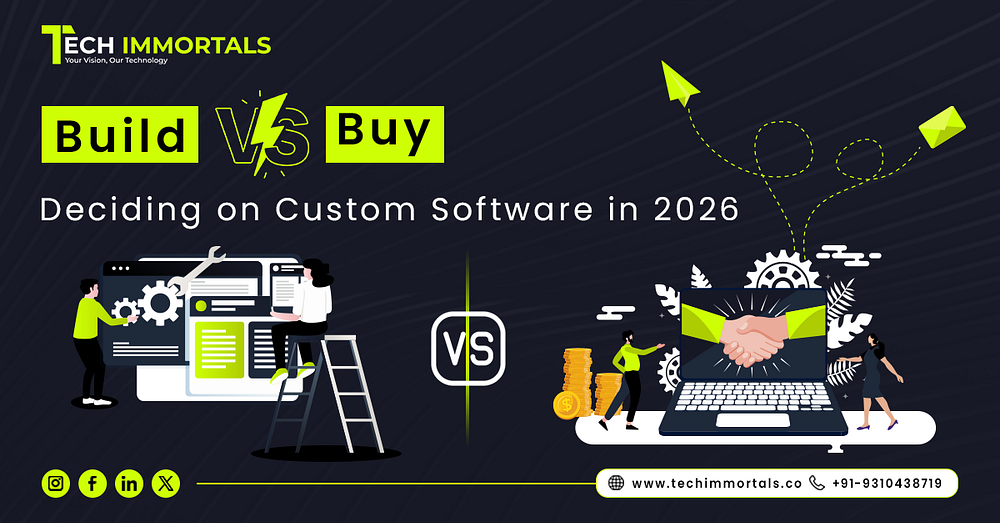
The build vs buy decision is no longer just about speed or budget. In 2026, it is a strategic choice that shapes how businesses scale, integrate, and compete. With SaaS tools flooding the market, many teams start by buying software to move fast. Over time, those same tools can introduce friction, rigid workflows, and rising subscription costs that slow execution instead of enabling it.
As companies mature, their processes become more specialized and data-driven. Generic software often struggles to keep up with these realities. This is where custom software development enters the conversation. Choosing whether to build or buy is ultimately about control, flexibility, and long-term business value. Understanding when custom software development makes more sense helps leaders avoid short-term decisions that create long-term limitations.
Understanding the “Buy” Option in Modern Software Decisions
In 2026, buying software usually means adopting ready-made SaaS or enterprise platforms built for broad use cases. These tools are designed to get teams operational quickly with minimal setup. For businesses prioritizing speed and low initial risk, buying software often feels like the practical first step before considering custom software servicea
Speed and Ease of Deployment
- Immediate access after signup
- Minimal configuration required
- Faster onboarding for teams
- Predefined workflows and templates
No internal development dependency
- Lower Upfront Commitment
- Subscription-based pricing models
- Reduced initial capital spend
- Vendor-managed infrastructure
- Included maintenance and updates
- Predictable short-term budgeting
Best-Fit Use Cases for Buying Software
- Standard business processes
- Early-stage or small teams
- Short-term operational needs
- Limited integration requirements
- Low customization dependency
Understanding the “Build” Option: Custom Software Explained
Building software in 2026 means creating systems designed around how your business actually works, not the other way around. Instead of adapting processes to fit a tool, teams invest in custom software development to support unique workflows, long-term scalability, and deeper system control.
What Building Custom Software Involves
- Purpose-built workflows and features
- Architecture designed for future growth
- Full ownership of source code
- Custom data structures and logic
- Tailored user roles and permissions
Key Advantages of Custom Software
- Exact alignment with business operations
- Easier integration with existing systems
- Improved performance at scale
- Greater flexibility for future changes
- Long-term cost efficiency
Common Misconceptions About Building Software
- Always slower than buying tools
- Higher cost in every scenario
- Harder to maintain over time
- Requires large internal teams
- Suitable for large enterprises
Key Factors That Should Drive the Build vs Buy Decision
The build vs buy decision should be guided by business needs, not software trends. As companies grow, process complexity increases, and off-the-shelf tools often require workarounds that slow teams down. Scalability is another key factor. Software that works for a small team may struggle as users, data, and workflows expand.
Integration requirements also influence the decision. Businesses that rely on connected systems and real-time data often face limitations with rigid SaaS tools. Data ownership and security matter as well, especially for regulated industries. When these challenges begin to impact efficiency and growth, custom software becomes the more strategic long-term option.
Clear Signs Your Business Should Build Custom Software
Many companies continue buying software long after it stops serving them well. One clear sign is when teams rely heavily on manual workarounds to bridge gaps between tools. Repetitive data entry, duplicated processes, and constant tool switching often indicate deeper system limitations.
Another signal is when customization limits begin to block growth. If feature requests are repeatedly delayed, ignored, or unavailable, the software is no longer aligned with business goals. Rising subscription costs are also a factor. As user counts grow and multiple tools stack up, long-term expenses can outweigh the value delivered. At this stage, investing in custom software often provides better control, efficiency, and long-term return.
Conclusion
There is no universal answer to the build vs buy question. Buying software offers speed and convenience, while building provides control and long-term flexibility. The right choice depends on how critical the software is to your operations and growth. Short-term efficiency should not come at the cost of long-term limitations. When software becomes central to competitive advantage, scalability, and integration, investing in custom software often delivers stronger business value and future readiness.
If you are evaluating whether to build or buy, Tech Immortals helps businesses assess requirements, risks, and long-term ROI before making the move. A clear strategy today prevents costly rebuilds tomorrow

Comments
Post a Comment